Top 15 Features Every Successful Online Bus Booking Portal Must Have in 2025
By Rayds Team |
|
10 min read
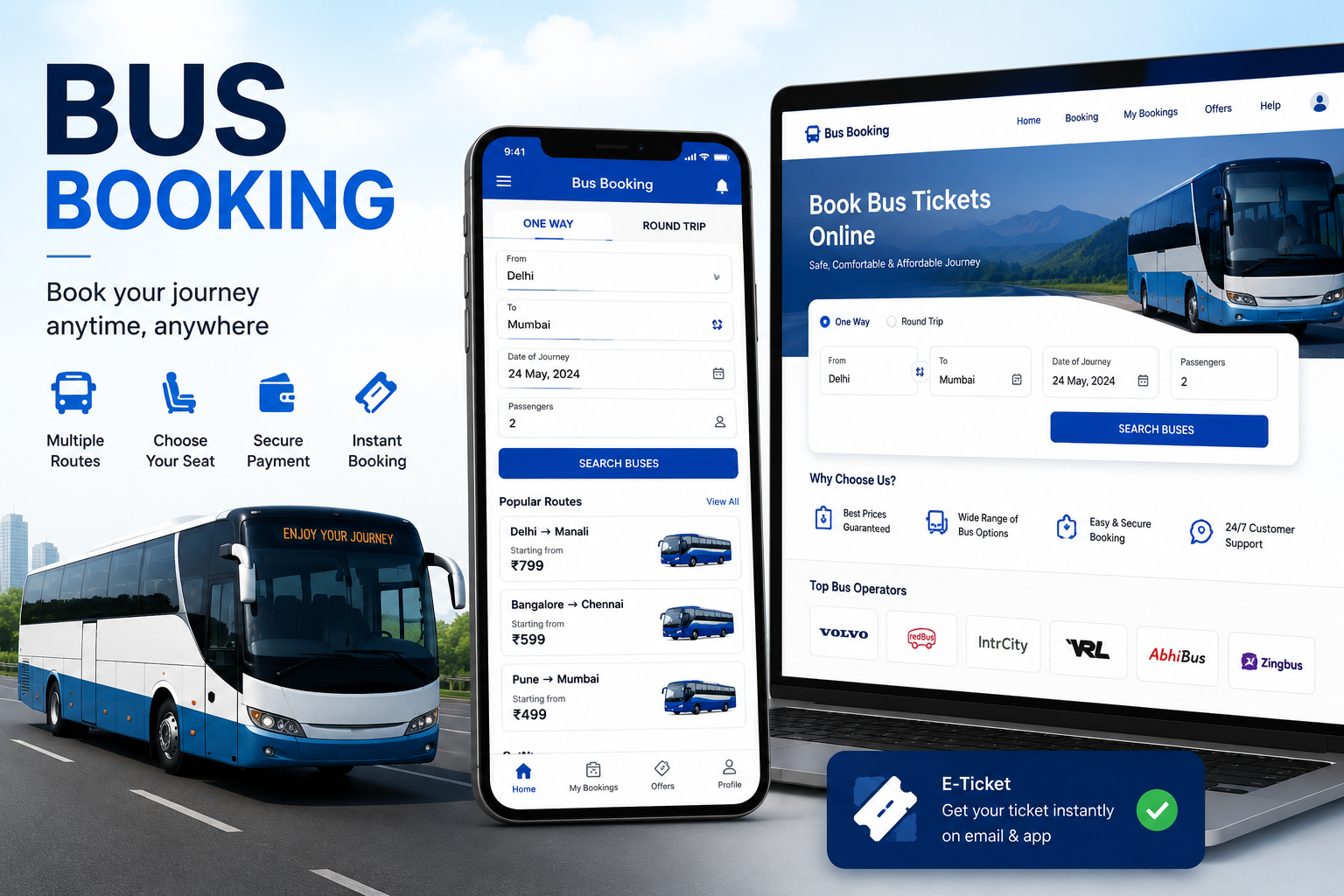
Building a successful online bus booking portal in 2025 demands more than just a simple search-and-book interface. Whether you're launching a white label bus booking system or expanding an existing travel platform, the right features can make or break your business. From real-time seat availability to GPS-based live tracking, every feature plays a role in improving user experience and increasing conversions.
In this guide, we break down the 15 must-have features for any bus reservation system — helping you deliver a seamless, secure, and scalable booking experience for both passengers and operators.
1. Bus API Integration
Integration with multiple bus APIs provides real-time seat availability, routes, schedules, boarding/dropping points, and dynamic pricing from various operators. A robust bus booking API ensures you can connect with RedBus, AbhiBus, and private operators seamlessly.
2. Real-Time Seat Booking Engine
A powerful booking engine allows users to view live seat layouts, select seats, check availability instantly, and confirm bookings without delays. This is the core of any bus reservation system — without real-time sync, double bookings and user frustration become unavoidable.
3. Route & Schedule Management
Operators can easily define routes, stops, departure times, arrival times, and fare rules for efficient trip management. An intuitive route manager reduces admin overhead and helps passengers find accurate schedules quickly.
4. B2B & B2C Support
The system supports both direct customer bookings (B2C) and agent-based bookings (B2B), enabling multiple business models under one platform. If you're looking for a B2B travel portal, this feature is essential for managing sub-agents and retailers with separate logins and commissions.
🚌 Want a fully integrated bus booking platform for your travel business?
Admins can control pricing rules, apply seasonal fares, manage agent commissions, and set markup rules for better revenue optimisation. This is especially critical for B2B travel portals managing large agent networks.
6. Secure Payment Gateway
Multiple payment options — UPI, credit/debit cards, net banking, and wallets — ensure secure and smooth transactions. Integration with trusted gateways like Razorpay, PayU, or CCAvenue is a must for any online bus ticketing system in India.
7. Ticket Generation & E-Ticketing
Automated ticket generation with PNR numbers, QR codes, and email/SMS delivery ensures a hassle-free boarding experience. E-tickets are also eco-friendly and reduce operational costs significantly.
8. Mobile Friendly Interface
Responsive design ensures a smooth booking experience across mobile phones, tablets, and desktops. With over 70% of Indian users booking via mobile, a mobile-first design is non-negotiable for your bus booking portal.
9. Live Bus Tracking System
GPS-based live tracking allows passengers to track bus location in real time, improving safety and travel transparency. This feature also reduces support calls asking "where is my bus?" — saving your team valuable time.
10. Cancellation & Refund Management
Flexible cancellation policies with automated refund processing build user trust and reduce support overhead. A clear, fair refund policy improves repeat bookings on your bus reservation platform.
11. Notification System (SMS & Email)
Instant alerts for booking confirmation, cancellation, boarding reminders, and schedule changes keep users informed. Automated notifications reduce no-shows and improve overall customer satisfaction.
Admins can onboard multiple bus operators, manage fleets, and control inventory from a centralised dashboard. This is the backbone of a scalable white label bus booking system that grows with your business.
13. Advanced Admin Dashboard
A powerful dashboard provides analytics, booking reports, revenue tracking, agent performance metrics, and full system controls — giving business owners complete visibility at a glance.
14. Loyalty & Reward System
Reward points, cashback offers, and discount coupons help increase customer retention and drive repeat bookings. Loyalty programmes are proven to reduce customer acquisition costs over time.
15. Multi-Language & Multi-Currency Support
A global-ready system with multiple language and currency support helps attract international users and expand your business beyond borders — essential for a scalable travel platform.
📞 Contact Us — Get a custom quote or request a live demo
Frequently Asked Questions
Real-time seat availability prevents overbooking and ensures users always see accurate seat data before confirming a reservation — directly improving trust and conversion rates on your bus booking platform.
Yes. Modern bus booking platforms support multiple operators through API integration and centralised admin management. This is a key feature of any B2B travel portal.
Fast search, a simple UI, secure payment gateways, real-time seat selection, and mobile responsiveness significantly improve conversions. Adding a loyalty programme further encourages repeat bookings.
Yes. Live GPS tracking improves passenger safety, reduces support queries, and enhances the overall travel experience — making it a competitive differentiator for your online bus reservation system.
You can start by choosing a white label bus booking software provider like Rayds that offers ready-to-deploy solutions with all 15 features pre-built, reducing your time-to-market significantly. Contact us to get a free demo.
Build Your Bus Booking Portal with Rayds
Get a fully integrated white label bus booking system with all 15 advanced features and scalable architecture.