Top Features Every Successful Online Gas Bill Payment Portal Must Have
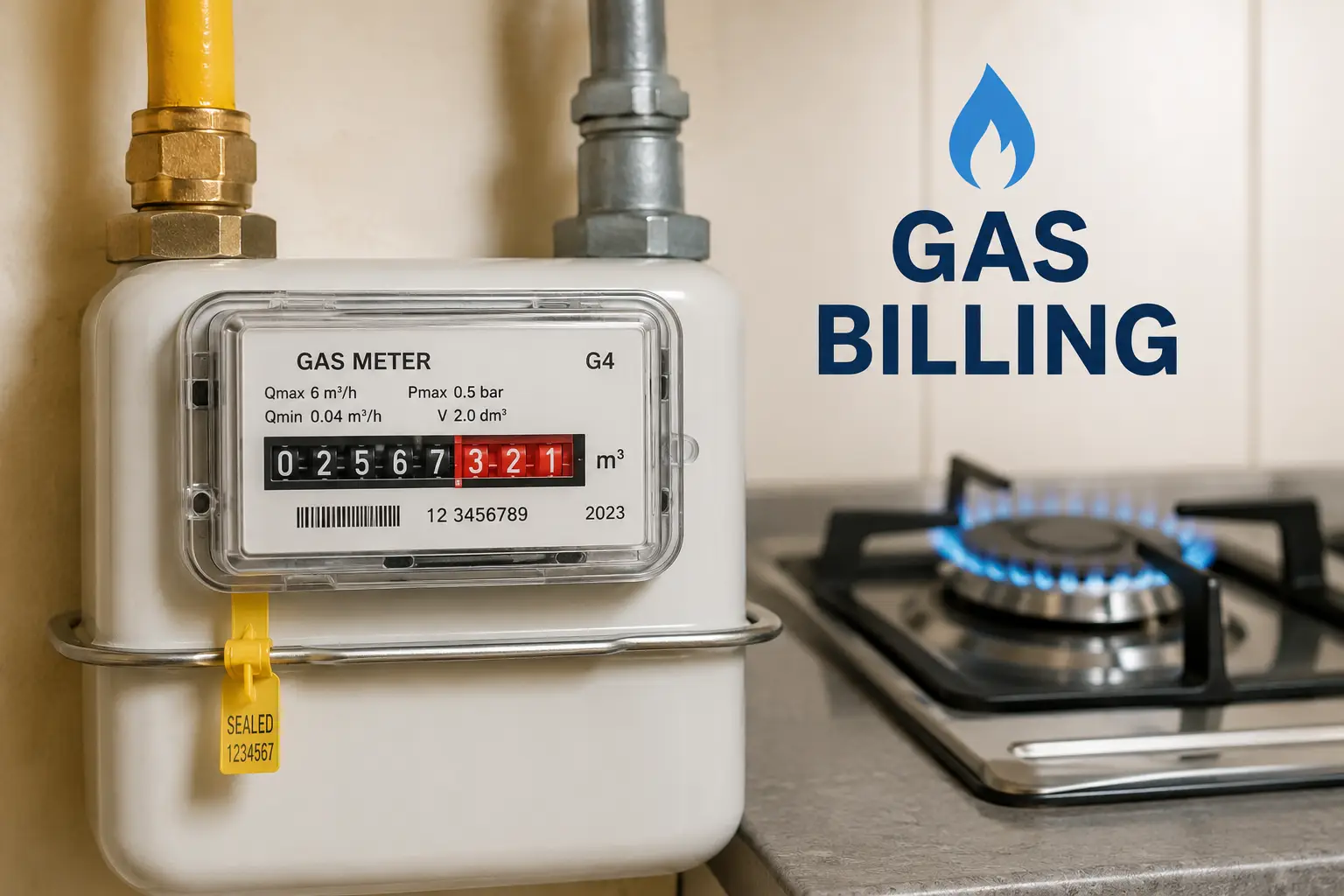
The utility payment industry has rapidly shifted toward digital platforms where customers expect convenience, speed, and seamless payment experiences. Traditional payment methods involving physical visits and long waiting times are being replaced by digital systems that allow users to complete payments instantly. A modern gas bill payment portal should provide a complete utility experience that supports both LPG cylinder services and piped gas bill payments through one centralized platform.
Modern utility ecosystems are increasingly integrated with digital services such as Electricity Bill Payment solutions, Water Utility platforms, Mobile Recharge services, and FASTag payment systems. Integrating multiple services into a unified ecosystem creates stronger customer engagement and improves repeat usage.
If you are planning to build a utility payment ecosystem for LPG and piped gas services, below are some of the most important features every successful gas billing platform should include.
1. LPG & Piped Gas API Integration
API integration forms the backbone of a gas billing system. Real-time connectivity with LPG providers and piped gas companies allows users to instantly retrieve account information and complete payments without delays.
Users can fetch billing details through consumer numbers or account IDs while the system automatically retrieves due amounts, payment status, and billing periods. API-driven systems improve speed and reduce manual errors significantly.
2. Support For Multiple Gas Providers
A successful gas payment platform should support major LPG and piped gas providers under one unified system. Users should not need separate platforms for different providers.
Supporting multiple providers improves customer convenience and expands business opportunities by increasing payment volume and user reach.
3. Instant Bill Fetching System
Users should be able to retrieve gas bill information instantly without manually entering payment amounts. Intelligent bill fetching systems automatically display account details, due amounts, billing periods, and payment information.
Instant visibility improves customer experience while reducing payment errors and support requests.
4. Smart Payment Reminder System
Many customers miss payment due dates because of busy schedules or forgotten reminders. A smart notification engine helps users stay informed by sending reminders through SMS, email, and app notifications.
Automatic reminders reduce missed payments and improve customer engagement significantly.
5. Multiple Payment Options
Customers prefer flexibility when choosing payment methods. Some users prefer UPI while others use cards, wallets, or internet banking.
Supporting multiple payment channels including UPI, QR payments, debit cards, credit cards, wallets, and net banking increases transaction success rates and improves overall user experience.
6. Payment History & Digital Receipts
Users frequently require previous payment records for documentation and expense tracking purposes. Maintaining complete payment history creates transparency and convenience.
Customers should also have the ability to download invoices and receipts whenever required.
7. Wallet & Reward System
Integrated wallet systems allow users to maintain balances for faster future transactions. Businesses can increase retention by offering cashback, referral rewards, and promotional offers.
Reward systems create stronger engagement and encourage repeat platform usage.
8. Retailer & Distributor Module
Businesses can scale through retailer and distributor networks where agents process payments on behalf of customers and earn commissions.
Administrative dashboards should provide complete control over retailer accounts, settlements, commissions, and reporting systems.
9. Failed Transaction & Refund Management
Failed transactions can negatively impact customer trust. Automatic refund systems should detect payment failures and initiate refunds immediately.
Real-time transaction tracking and refund notifications improve customer confidence and transparency.
10. Security & Fraud Protection
Gas payment platforms process sensitive financial information and therefore require strong security infrastructure.
Advanced encryption, secure payment gateways, OTP verification, and fraud detection systems help protect both users and business operations from digital threats.
Frequently Asked Questions
Yes. Users can instantly pay LPG and piped gas bills using digital payment methods including UPI, cards, wallets, and internet banking.
Bill information is retrieved through real-time API integrations connected with gas utility providers.
The system automatically identifies failed transactions and processes refunds with status updates.
Yes. Retailers and agents can process gas bill payments and earn commissions through B2B modules.
Yes. Secure payment gateways, encryption systems, OTP verification, and fraud monitoring technologies protect customer transactions.
Build Your PAN Application Platform With Rayds
Launch a complete PAN application ecosystem with workflow automation, secure processing, retailer modules, and customer management tools.
Get Started