Top Features Every Successful Online Water Bill Payment Portal Must Have
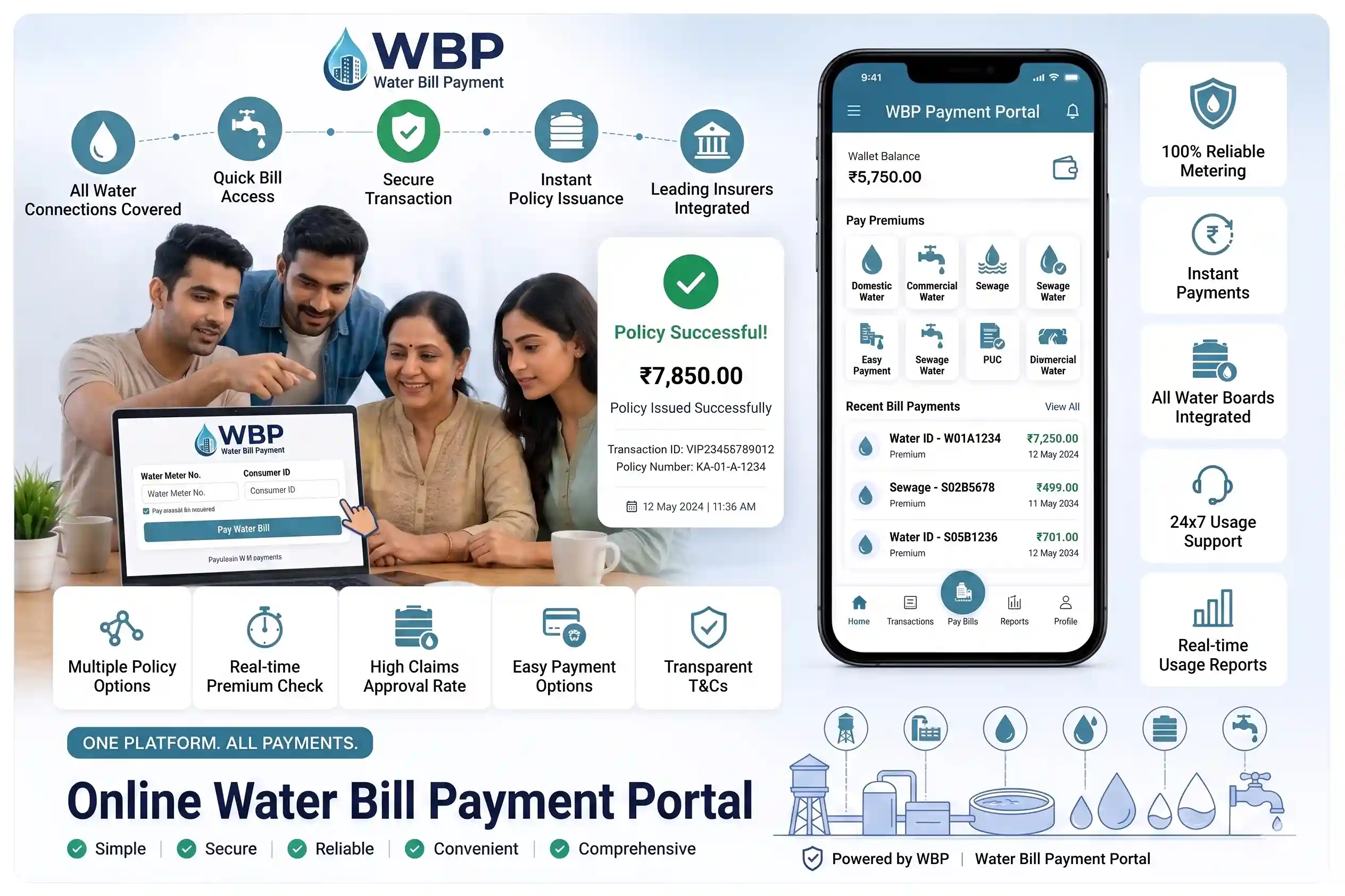
The utility payment industry has rapidly shifted toward digital platforms where customers expect speed, convenience, and seamless payment experiences. Traditional methods of standing in queues and visiting local payment offices are slowly being replaced by smart online systems that allow users to complete transactions instantly. A modern online water bill payment portal should provide more than basic bill payment functionality.
Today users want flexibility and control over their utility payments. Customers expect real-time bill information, instant payment confirmations, downloadable receipts, and secure payment experiences. Businesses operating utility platforms also require reporting systems, dashboards, customer management tools, and scalable API integrations that help manage large transaction volumes efficiently.
Modern utility payment systems are increasingly connected with digital ecosystems including Electricity Bill Payment solutions, Mobile Recharge platforms, FASTag services, and customer management systems.
If you are planning to build a complete utility payment ecosystem, below are some of the most important features every successful water bill payment portal should include.
1. Water Bill API Integration
API integration acts as the backbone of any utility payment platform. It enables real-time connectivity between the payment portal and water utility providers. Users can instantly fetch bill information using consumer IDs, account numbers, or registered details without manually entering payment amounts.
Real-time APIs automatically retrieve due amounts, billing periods, payment status, and account details. This significantly reduces manual effort and improves transaction accuracy.
2. Multi-Provider Utility Support
A successful water payment platform should support multiple municipal and regional water providers under one system. Customers expect flexibility and convenience regardless of where they live.
Providing support for multiple providers expands business reach and increases transaction opportunities while creating a smoother customer experience.
3. Instant Bill Fetching System
Users should not manually search for bill amounts or calculate outstanding dues. An intelligent bill retrieval system instantly displays bill details after users enter account information.
The platform should show pending amount, billing period, due date, and account details automatically. This improves speed, convenience, and payment accuracy.
4. Payment Reminder & Notification System
Many users miss payment due dates because of busy schedules. A smart notification engine helps prevent missed payments by sending reminders through SMS, email, or app notifications.
Automated reminders increase customer engagement and help maintain uninterrupted utility services.
5. Multiple Payment Methods
Different customers prefer different payment methods depending on convenience. Some users prefer UPI while others choose cards, wallets, or internet banking.
Supporting UPI, debit cards, credit cards, QR payments, wallets, and net banking provides flexibility and improves transaction success rates.
6. Payment History & Digital Receipts
Customers frequently require access to previous utility bills and transaction records. Maintaining complete payment history improves transparency and allows users to monitor expenses.
Users should also be able to download invoices and digital receipts directly from their dashboards whenever required.
7. Wallet & Reward Management System
Integrated wallet systems make future transactions faster and more convenient. Customers can maintain balances and complete utility payments quickly.
Reward systems such as cashback, loyalty points, referral programs, and promotional offers encourage repeat usage and increase customer retention.
8. Retailer & Distributor Module
Utility platforms can expand significantly through B2B retailer networks. Retailers and agents can process customer payments and earn commissions.
Administrators should have complete control over settlements, commissions, wallet balances, and retailer account management through centralized dashboards.
9. Failed Transaction & Refund System
Failed transactions can negatively affect customer trust and increase support issues. Automatic refund systems should detect payment failures and initiate refunds immediately.
Real-time notifications and refund tracking further improve transparency and customer satisfaction.
10. Security & Fraud Protection
Water payment systems handle sensitive customer and financial information. Strong security infrastructure is essential to maintain customer trust and protect transactions.
Advanced security mechanisms including encryption, OTP authentication, fraud detection algorithms, and secure payment gateways help protect both users and business operations.
Frequently Asked Questions
Yes. Modern systems allow users to fetch and pay water bills instantly using digital payment methods such as UPI, cards, wallets, and internet banking.
Bill information is retrieved using real-time API integrations connected with utility providers based on consumer account details.
Modern payment systems automatically detect failures and initiate refund processing while notifying users about transaction status.
Yes. Retailers and agents can process utility payments and earn commissions through dedicated B2B modules.
Yes. Advanced encryption, OTP verification, and fraud protection systems help secure all customer transactions.