Top Features Every Successful Online Mobile Recharge Portal Must Have
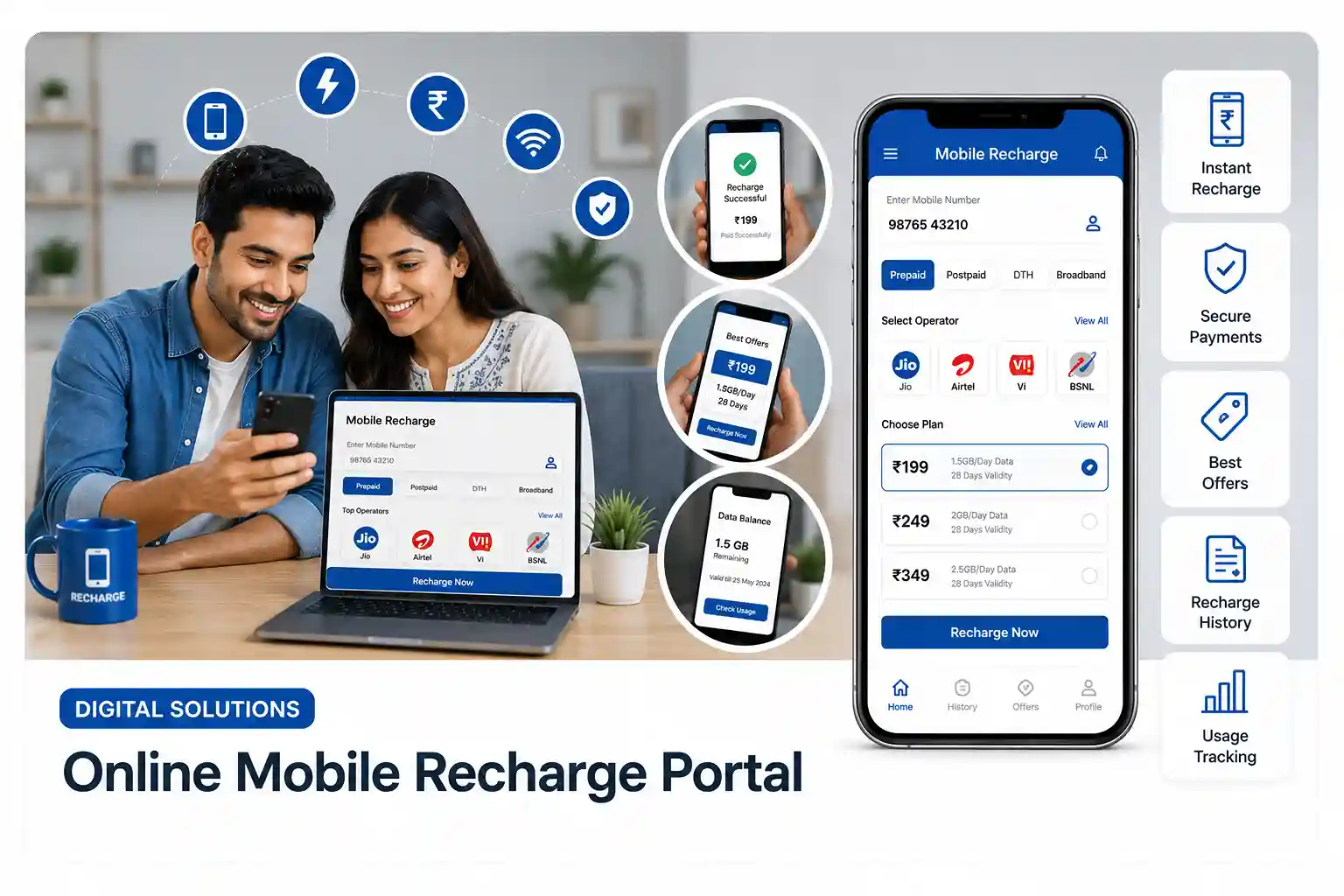
The digital payments and online utility industry has experienced tremendous growth over the last few years. Users no longer prefer visiting physical stores for mobile recharge because online platforms provide speed, convenience, and instant access to telecom services. A successful online mobile recharge portal should not only process recharges quickly but also deliver a complete digital ecosystem that supports multiple operators, payment options, rewards, and customer engagement tools.
Today users expect a recharge platform to provide more than just a recharge button. They want instant transaction processing, easy plan discovery, recharge history, personalized offers, cashback rewards, and secure payment experiences. Businesses entering the recharge market also require advanced reporting systems, retailer management, wallet integration, and automation capabilities to scale operations efficiently.
Modern recharge systems are evolving into complete utility platforms. Businesses often combine recharge services with additional solutions such as DTH recharge, utility bill payments, travel bookings, wallet systems, and customer management platforms. Similar to how a Travel CRM improves customer management or a payment platform streamlines transactions, a recharge system requires intelligent automation and seamless API connectivity.
If you are planning to build a scalable online recharge business, here are the most important features every successful mobile recharge portal should include.
1. All Operator Prepaid Recharge Support
A recharge portal should support all major telecom operators through one centralized system. Users expect the flexibility to recharge any prepaid mobile number without worrying about network limitations or switching between multiple applications. Major telecom providers including Jio, Airtel, VI, BSNL, and regional operators should be accessible from a single interface.
Supporting multiple operators significantly increases transaction volume and customer retention. Instead of creating isolated systems for different providers, businesses can integrate all operators into one platform using APIs. This creates a seamless user experience and allows customers to perform transactions effortlessly.
For businesses looking to scale further, combining recharge services with utility payments and digital products creates an ecosystem that encourages repeat users and stronger customer loyalty.
2. Recharge API Integration
Recharge API integration acts as the core engine of a mobile recharge platform. APIs connect the portal with telecom providers and recharge aggregators to process transactions in real time. This integration enables automatic operator validation, transaction status updates, plan fetching, and recharge execution.
Without a powerful API layer, users may experience delayed transactions and failed recharge requests. High-quality API connectivity ensures faster responses and better system reliability during peak traffic periods.
Businesses developing digital platforms often combine recharge APIs with solutions like
API integration services, payment systems, and customer management tools to create highly scalable ecosystems.
3. Smart Recharge Plan Discovery
Finding suitable recharge plans has become increasingly difficult because telecom providers frequently introduce new data packs, validity options, unlimited plans, and promotional offers. Users often struggle to identify the right recharge option that matches their requirements.
A smart plan discovery system displays categorized plans including data plans, unlimited calling packs, top-up recharges, entertainment bundles, roaming plans, and long-term validity options.
Advanced systems can also analyze previous recharge behavior and recommend plans based on customer preferences. Similar personalization techniques are commonly used in
travel booking platforms and customer engagement systems.
4. Instant Recharge Processing System
Users expect recharge completion within seconds. Even small transaction delays can negatively affect customer experience and reduce trust in the platform.
A successful recharge portal requires real-time processing systems that instantly execute transactions and display status updates. Confirmation messages, transaction IDs, and recharge receipts should be generated automatically.
Fast processing improves customer satisfaction and reduces support requests related to pending transactions.
5. Wallet, Cashback & Reward System
Reward systems are highly effective in increasing customer retention. Users tend to return to platforms where they receive discounts, cashback, or referral benefits.
Recharge portals can integrate digital wallet systems where users maintain account balances for faster future transactions. Businesses can also provide cashback offers, loyalty rewards, referral bonuses, and promotional campaigns.
Many modern digital businesses combine wallet systems with customer management tools similar to
CRM platforms for stronger customer engagement.
6. Multiple Payment Options
A recharge platform should support diverse payment methods to accommodate different customer preferences. Users may choose UPI, debit cards, credit cards, wallets, QR payments, or internet banking.
Providing multiple payment channels improves transaction success rates and creates a better user experience. International payment methods may also be useful for global customers.
Payment flexibility becomes even more important when recharge systems expand into bill payments, subscriptions, and additional digital services.
7. Failed Recharge & Refund Management
Transaction failures are unavoidable in digital ecosystems. However, poor refund handling damages customer trust and increases support issues.
An intelligent refund management system automatically detects failed transactions and initiates refunds without requiring manual intervention. Users should also receive status notifications and refund tracking options.
Transparent refund processes significantly improve platform credibility and long-term customer relationships.
8. B2B Retailer & Distributor Module
Recharge platforms can significantly increase revenue by introducing retailer and distributor networks. Through B2B systems, agents and retailers can provide recharge services to customers while earning commissions.
Administrators should be able to manage commissions, settlements, margins, wallet balances, and retailer accounts through centralized dashboards.
This feature transforms recharge portals from simple user-facing systems into scalable business platforms.
9. Analytics & Reporting Dashboard
Detailed reporting systems help businesses monitor transaction volume, customer behavior, operator trends, revenue growth, and platform performance.
Analytics dashboards allow administrators to identify high-performing operators, monitor traffic patterns, and optimize marketing campaigns.
Business intelligence features help organizations make informed decisions and increase profitability.
10. Security & Fraud Prevention System
Security remains one of the most critical requirements for financial platforms. Recharge portals process large transaction volumes and store sensitive user information.
Strong security systems should include encryption, OTP verification, secure payment processing, fraud detection algorithms, suspicious activity monitoring, and login protection mechanisms.
Reliable security infrastructure builds customer confidence and protects business operations from digital threats.
Frequently Asked Questions
Yes. Modern recharge portals can support Jio, Airtel, VI, BSNL, and multiple regional operators through API integration. This creates a centralized platform where users can recharge any mobile number from a single dashboard.
Recharge APIs provide real-time connectivity with telecom providers. They improve transaction speed, automate operator validation, reduce recharge failures, and ensure instant processing.
Modern systems automatically detect failed transactions and process refunds. Users can also track refund progress directly from their account dashboard.
Yes. B2B modules allow agents, retailers, and distributors to provide recharge services and earn commissions through dedicated dashboards.
Security is extremely important because recharge systems handle financial transactions and user information. Features like OTP verification, fraud detection, and encrypted payments help protect users and businesses.