Top Features Every Successful UPI QR Code Digital Payment Platform Must Have
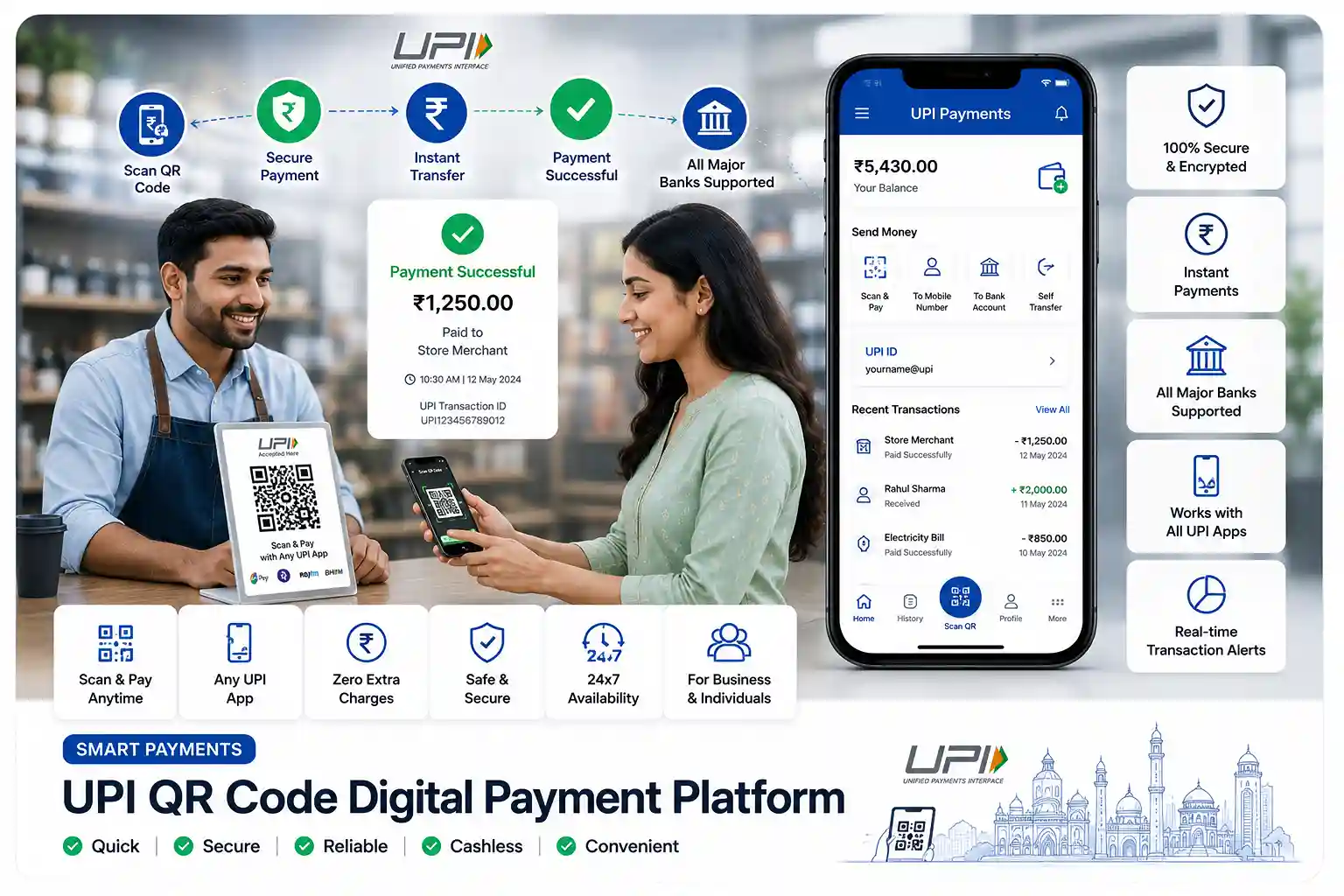
UPI QR code systems enable instant digital payments by scanning a QR code through UPI apps.
Digital payments have transformed the way customers and businesses complete transactions. Today users prefer fast, contactless, and convenient payment methods that eliminate cash handling and reduce transaction time. UPI QR code technology has become one of the most widely adopted digital payment methods because it allows users to complete payments instantly by simply scanning a code using their preferred payment application.
A successful UPI QR Code payment platform should offer much more than simple payment collection. Businesses require merchant onboarding, QR generation, transaction monitoring, settlement systems, analytics dashboards, and secure payment processing capabilities. Users expect quick payments, instant confirmation, downloadable receipts, and complete transaction visibility through one platform.
Modern digital payment ecosystems frequently integrate UPI services with Mobile Recharge solutions, BBPS Payment platforms, FASTag systems, and CRM solutions. Combining multiple services creates a stronger financial ecosystem and improves customer engagement.
If you are planning to build a payment platform for merchants, retailers, or businesses, below are the key features every successful UPI QR code solution should include.
UPI Payment Flow (Visual)
1. QR Code Generation
QR Code generation in the context of digital payments refers to the process of creating a unique scannable code that represents a payment address, allowing users to send or receive money instantly. In systems like UPI, a QR code is generated based on a UPI ID or merchant details, which customers can simply scan using any supported payment app. Once scanned, the payment information is automatically fetched, and the user only needs to enter the amount and confirm the transaction. This eliminates the need to manually enter bank details, reduces errors, and speeds up the payment process. QR code generation has become a key feature for merchants and businesses as it enables quick, contactless, and secure digital transactions.
2. Merchant Onboarding
Merchant onboarding is the process of registering and activating a business or merchant on a digital payment platform so they can start accepting online payments. In the UPI ecosystem managed by the National Payments Corporation of India, this process typically includes verifying business details, bank account linkage, KYC compliance, and generating a unique merchant ID or UPI ID. Once onboarded, merchants can receive payments through UPI QR codes, payment links, or apps. This process ensures that only verified businesses are allowed on the platform, helping maintain security, reduce fraud, and build trust between customers and merchants. Merchant onboarding also enables businesses to access transaction tracking, settlement reports, and other payment management tools.
3. Real-Time Transactions
Real-time transactions refer to instant payment processing where money is transferred from one bank account to another immediately, without any delay or batch processing. In the UPI ecosystem operated by the National Payments Corporation of India, real-time transactions enable users to send and receive funds 24/7, including weekends and bank holidays. Once a payment is initiated through a UPI ID, mobile number, or QR code, the transaction is processed instantly and both the sender and receiver receive immediate confirmation. This speed and efficiency make real-time transactions highly reliable for personal transfers, merchant payments, and online purchases. It also improves cash flow for businesses and enhances user experience by eliminating waiting times associated with traditional banking systems.
4. Multi UPI Support
Multi UPI Support refers to the capability of a digital payment system or application to link and manage multiple UPI IDs or bank accounts within a single platform. In the ecosystem governed by the National Payments Corporation of India, this feature allows users—especially merchants and businesses—to receive payments across different bank accounts or UPI handles without switching apps. It helps in better fund management, load balancing of transactions, and seamless settlement across multiple accounts. Users can also choose a preferred account at the time of payment or collection, making the process more flexible and efficient. Multi UPI Support is especially useful for businesses handling high transaction volumes, as it improves financial organization, reduces dependency on a single account, and ensures smoother payment operations.
Live Payment Dashboard
System Overview
5. Settlement System
The settlement system in a UPI-based payment ecosystem refers to the backend process through which funds from a completed transaction are transferred from the payer’s bank to the payee’s bank account. In the framework operated by the National Payments Corporation of India, settlements are handled securely and efficiently through participating banks and payment service providers. Once a transaction is authorized in real time, the settlement process ensures that the money is credited to the recipient’s account either instantly or within defined banking cycles, depending on the type of transaction. This system also includes reconciliation, reporting, and confirmation of successful fund transfers between banks. The settlement mechanism plays a crucial role in maintaining trust, accuracy, and liquidity in the digital payments ecosystem, ensuring that every successful transaction is properly recorded and completed without discrepancies.
6. Analytics Dashboard
An Analytics Dashboard in a digital payment system provides a centralized interface where merchants and businesses can monitor and analyze their transaction data in real time. In a UPI-based ecosystem managed by the National Payments Corporation of India, this dashboard typically displays key insights such as total transactions, successful and failed payments, daily sales, settlement status, and peak transaction hours. It helps businesses understand customer behavior, track revenue performance, and identify trends for better decision-making. With visual elements like charts, graphs, and summaries, the analytics dashboard simplifies complex financial data into easy-to-understand insights. This allows merchants to optimize operations, improve payment success rates, and make data-driven business decisions efficiently.
7. Security & Fraud Protection
Security & Fraud Protection in a digital payment ecosystem refers to the set of technologies, protocols, and monitoring systems designed to safeguard users and merchants from unauthorized access, fraudulent transactions, and financial theft. In the UPI framework governed by the National Payments Corporation of India, multiple layers of security are implemented, including two-factor authentication (such as mobile OTP or UPI PIN), encryption of sensitive data, and secure banking APIs. Additionally, real-time fraud detection systems continuously monitor transaction patterns to identify suspicious activity and prevent potential fraud before it occurs. Features like device binding, transaction limits, and instant alerts further enhance protection for users. Together, these mechanisms ensure that digital payments remain safe, trustworthy, and resistant to cyber threats while maintaining fast and seamless transaction experiences.
Frequently Asked Questions
Launch Your UPI QR Platform
Build a complete digital payment system with QR, dashboard, and automation.
Request Demo